Welcome to Dr. Nelson’s Veterinary Blog!
 Dr. Kristen Nelson grew up on a farm in Watertown, Minn., where she developed a deep love for animals of all kinds. She received a Doctor of Veterinary Medicine degree from the University of Minnesota, College of Veterinary Medicine. Kris then completed a small-animal internship at the prestigious Animal Medical Center in New York City. She published her first book in the Coated With Fur series in 2010. More info at www.coatedwithfur.com.
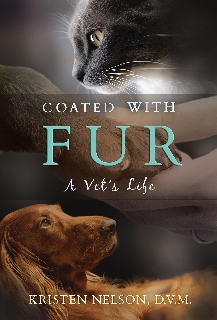 Coated With Fur: A Vet’s Life celebrates the deep bond between humans and animals. Set in a veterinary practice, the book chronicles the triumphs and trials of a young woman owning her first animal hospital. Experience each day as Dr. Nelson did, from the joy of saving a dog’s leg to the agony of losing a patient. Marvel at what it took to untangle a snake stuck in a doorway, scaring all the society ladies in the waiting room.
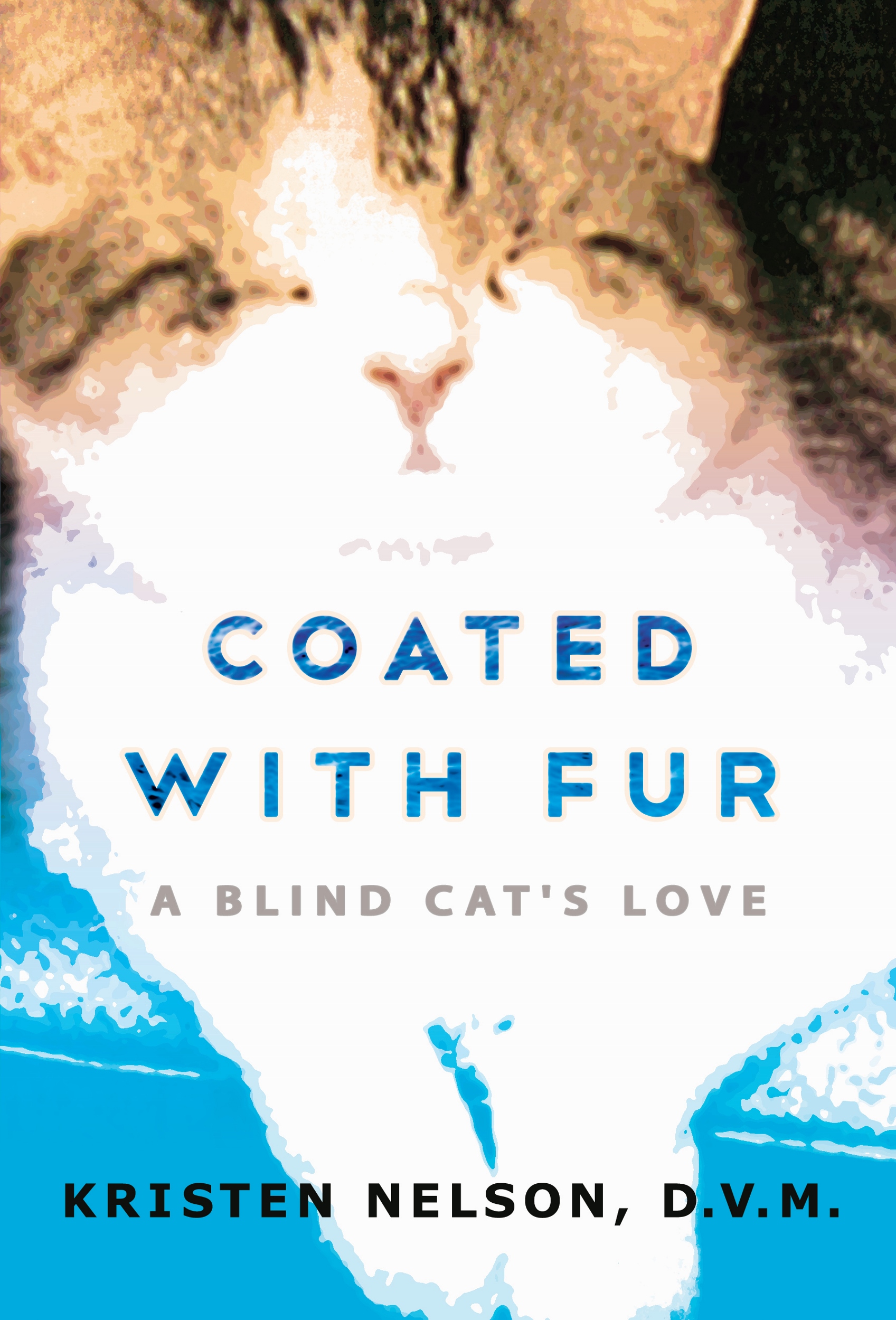 Coated With Fur: A Blind Cat’s Love continues the story of a young woman who opened a veterinary hospital in Burnsville, Minn. Marvel when a blind cat helps Adam overcome a physical limitation. Follow Kris as she tries to collect a semen sample from Ivan the shy Doberman, saves the life of a struggling Chihuahua and delivers Ashley’s adorable golden retriever puppies. Meet Snowflake, a white cat that fights hard to stay alive, and Lilah, the friendly, pregnant German shepherd. Through it all, experience the sheer joy and challenges of being a veterinarian.
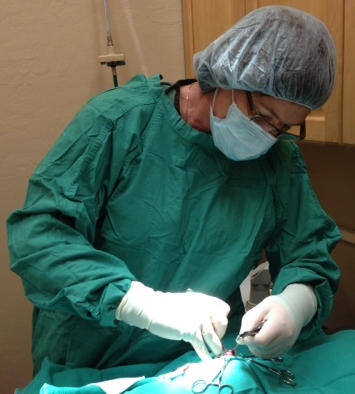 In addition to writing and speaking, she cares for dogs and cats at Arizona Skies Animal Hospital located in Cave Creek, Arizona. Dr. Nelson is widely quoted in the media. Her credits include Ladies’ Home Journal, USA TODAY, the Los Angeles Times and numerous radio and television interviews. Learn more about Dr. Nelson’s presentations and other books at www.veterinarycreative.com. To book an appointment for you rpet, go do www.azskiesah.com. Kris and her husband Steve share their home with rescued cats, birds and a dog.